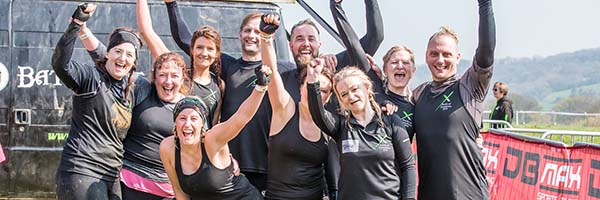
When it comes to obstacle course racing (OCR), every little advantage counts. The right training, mental toughness, and recovery strategies can make or break your performance.
One factor that often gets overlooked, but plays a huge role in recovery and overall fitness, is protein. Protein is vital for muscle recovery after intense training sessions and events, helping to repair muscle tissue and build strength. For OCR athletes, where strength, endurance, and power are essential, protein is key to staying strong and speeding up recovery. It also plays a role in shifting fat, as a higher protein intake can increase satiety and boost metabolism.
So, whether you’re aiming to improve your training sessions or prepare for race day, ensuring you’re getting enough protein is crucial.
Here are some effective tips for increasing your protein intake to maximise your OCR performance.
1. Start Your Day with Protein
Begin each day with a high-protein breakfast. Adding protein to your first meal helps set the tone for the day and can keep your energy levels stable. Consider eggs, Greek yogurt, or protein smoothies to kickstart your morning.
2. Snack on Protein-Rich Foods
Instead of reaching for chips or sweets, keep protein-rich snacks on hand. Options like protein bars, nuts, seeds, or cottage cheese can be convenient and satisfying between meals. These snacks will support muscle repair and prevent energy slumps.
3. Incorporate Protein Into Every Meal
Aim to include a source of protein in every meal, whether it’s chicken, tofu, fish, beans, or lentils. For a balanced diet, try to ensure you’re consuming about 20-30g of protein per meal to support muscle recovery and growth.
4. Use Protein Supplements
Protein powders, such as whey, pea, or hemp protein, can be a quick and effective way to boost your intake. They’re especially useful for post-training recovery, ensuring your muscles get the necessary nutrients for rebuilding. Simply mix with water or add to a smoothie.
5. Don’t Forget About Plant-Based Protein
If you’re following a plant-based diet or looking for alternatives to animal protein, incorporate more plant-based protein sources such as lentils, quinoa, chickpeas, edamame, and plant-based protein powders. These can help ensure you’re still getting a good dose of protein to fuel your training.
6. Plan Your Post-Workout Protein
After a challenging OCR training session, your muscles need protein to repair and recover. Aim for a post-workout snack that includes both protein and carbohydrates within 30-60 minutes of finishing. A protein shake with some fruit, or a tuna sandwich, can help restore glycogen and kickstart muscle recovery.
7. Track Your Protein Intake
It can be hard to gauge whether you’re meeting your protein goals, so tracking your food intake might be helpful. Use apps like MyFitnessPal or other tracking tools to monitor your protein consumption. Aim for 1.2 to 2.0 grams of protein per kilogram of body weight, depending on your training intensity.
8. Add Protein to Your Drinks
If you struggle to consume enough solid protein, add protein powder to your drinks. Blend it into smoothies, or simply mix it with water or almond milk. This easy addition helps boost your intake without requiring you to eat more.
9. Get Creative with Protein-Rich Recipes
Experiment with protein-rich recipes that don’t just focus on meat. You can make protein-packed salads, stir-fries, and soups that feature ingredients like tempeh, quinoa, or chickpeas. The more variety you introduce into your meals, the easier it will be to hit your protein goals.
10. Listen to Your Body
Finally, pay attention to how your body feels and adapts to changes in your diet. If you’re feeling particularly fatigued or your recovery time is longer than usual, it might be a sign that you’re not consuming enough protein. Adjust your intake to meet your needs and improve performance.
Conclusion
Protein is an essential nutrient for OCR athletes, contributing to muscle recovery, strength, and fat loss. By incorporating more protein into your daily routine with these tips, you’ll set yourself up for better training, faster recovery, and ultimately, better race performance. So, fuel your body right, and get ready to take your OCR performance to the next level!